Resource Center
Check out our guides, worksheets, quizzes, and other resources created to help you develop your leadership and navigate through your initial questions and concerns while considering running for office.
Quick Start
Search
She Should Run’s curriculum was made possible with the support of
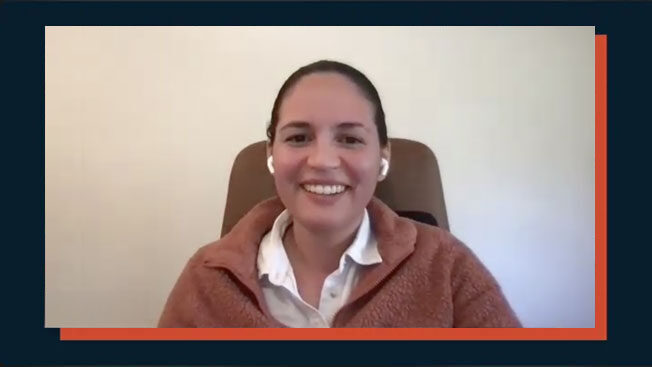
What Stefanie Santiago Won by Losing Twice
Stefanie Santiago ran for a council seat in Bloomfield, New Jersey, in 2025 and again in 2026. Here's what she built along the way.
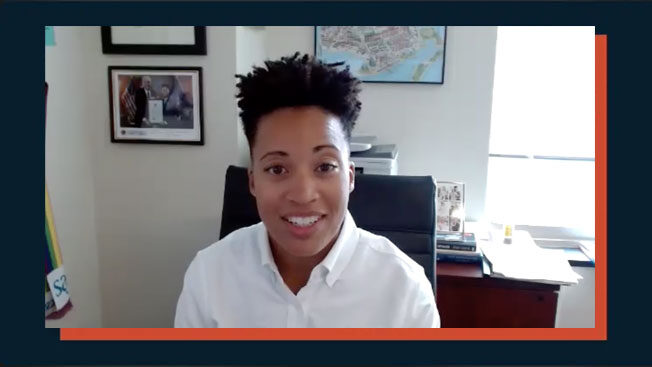
The Closest to the People
New York City Council Member Crystal Hudson on the year she went unpaid, the privacy she gave up, and why constituent services matter more than legislation.
You Chose It. And It Chose You Back.
How to turning civic overwhelm into intentional action, and why community is the answer when it feels like it's just you.
She Called It Her Reclamation of Self
A personal story about reclaiming individual identity and moving from professional obligation to personal civic action, for anyone wondering where they fit in right now.

How To Avoid Burnout When You Care Too Much
Learn how identifying your Civic Why can help you focus your energy, set boundaries, and avoid burnout while still making a meaningful impact in your community.

5 Leadership Intentions for the Year Ahead
Setting intentions can help you stay grounded, focused, and connected to your power.

Want People to Care About Your Work? Start With a Story
Discover how a clear, powerful story can motivate you, attract supporters, and expand the impact of your civic project or cause.

6 Ways You Can Make a Positive Change in Your Community
By thinking locally, you can take immediate and significant actions, big or small, that benefit you and the people in your town or city.

The Art of the Ask: How to Get People to Join Your Cause
Get strategies for making meaningful, effective asks that inspire people to join your project or cause and create real change.
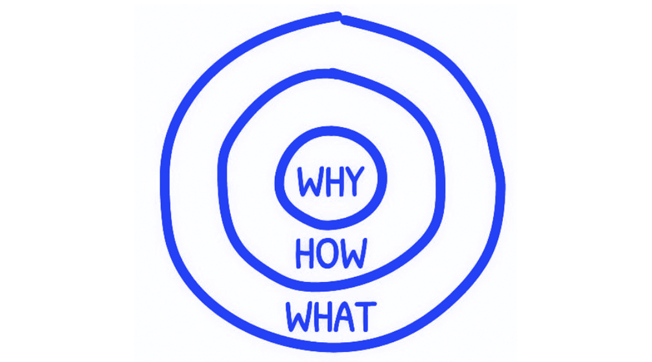
Your “Why” Is Your Leadership Superpower
Find out why great leadership always starts with your own story. Your “why” can guide your choices, build your power, and help you stay focused.
Which Public Office Should You Run For?
Would you make a magnificent mayor? Or are you destined for your local school board? Take this quiz to find out.
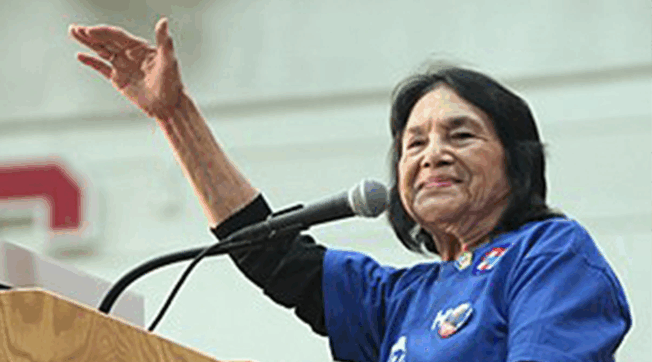
The First Spark: How 8 Women Turned Small Acts Into Big Change
Big change starts small. Learn how 8 remarkable women, from Fannie Lou Hamer to Tarana Burke, took first steps that grew into world-changing movements.